
 Français
 Русский
 Español
Products
Useful Links
- Choose professional Small Sunflower Seed Oil Refinery Line
- Professionally Designed Mini Oil Mill for Home Use
- Is Small Oil Production Line Worth for Investment?
- How to Build Small Edible Oil Production Line?
- Small Oil Mill Plant for Daily Requirement
- Small Edible Oil Refinery Plant Cost Can Be Reduced Relatively
- How to Extract Palm Oil from Palm Fruit-Oil Mill Plant
- start oil extraction factory
Latest News

Apr 10, 2018
Mar 30, 2018
Cooking Oil Plant
Home > Useful Links >
The cooking oil processing industry involves the extraction and processing of oils and fats from vegetable sources cooking oils and fats are principally used for human consumption but are also used in animal feed, for medicinal purposes, and for certain technical applications. The oils and fats are extracted from a variety of fruits, seeds, and nuts. Today, commercial extraction of cooking oils is often accomplished through chemical processes. For those seeking a more natural product, a small, hand-operated oil press can help make cooking oils at home.
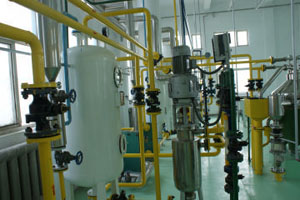
Cooking Oil Plant Production
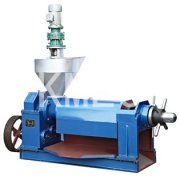
The process of making cooking oils is relatively simple. A large screw within the press grinds the material and expresses the oil through mild heat and pressure. Several types of plant matter are good sources for cooking oils. These include sunflower, safflower, canola, hemp and sesame seeds; walnuts, almonds and hazelnuts, coconuts and peanuts; cocoa and soy beans; and oil palm kernels.
The extraction of oil from plants is an art that been practiced for thousands of years. Although it is difficult to determine when plant oil extraction first began, a stone tablet dating back to 3000 BC, describes the creation of medicinal remedies from a simple willow plant. The purpose of oil extraction is to draw out the natural properties of a plant for medicinal, culinary, or mood altering purposes. Oil extraction can be accomplished a number of ways, but cooking plant oils are often contained in seeds, which requires some form of grinding and pressing to release their natural oils.
The preparation of raw materi- als includes husking, cleaning, crushing, and con- ditioning. The extraction processes are generally mechanical (boiling for fruits, pressing for seeds and nuts) or involve the use of solvent such as hexane. After boiling, the liquid oil is skimmed; after pressing, the oil is filtered; and after solvent extraction, the crude oil is separated and the sol- vent is evaporated and recovered. Residues are conditioned (for example, dried) and are repro- cessed to yield by-products such as animal feed. Crude oil refining includes degumming, neutral- ization, bleaching, deodorization, and further refining.
Henan Kingman M&E Complete Plant Co., Ltd ©
Email:info@oilmillplant.com